
Serious Injuries. Personal Attention. Real Results.
Traumatic Brain Injuries in Florida Personal Injury Cases
Free Consultations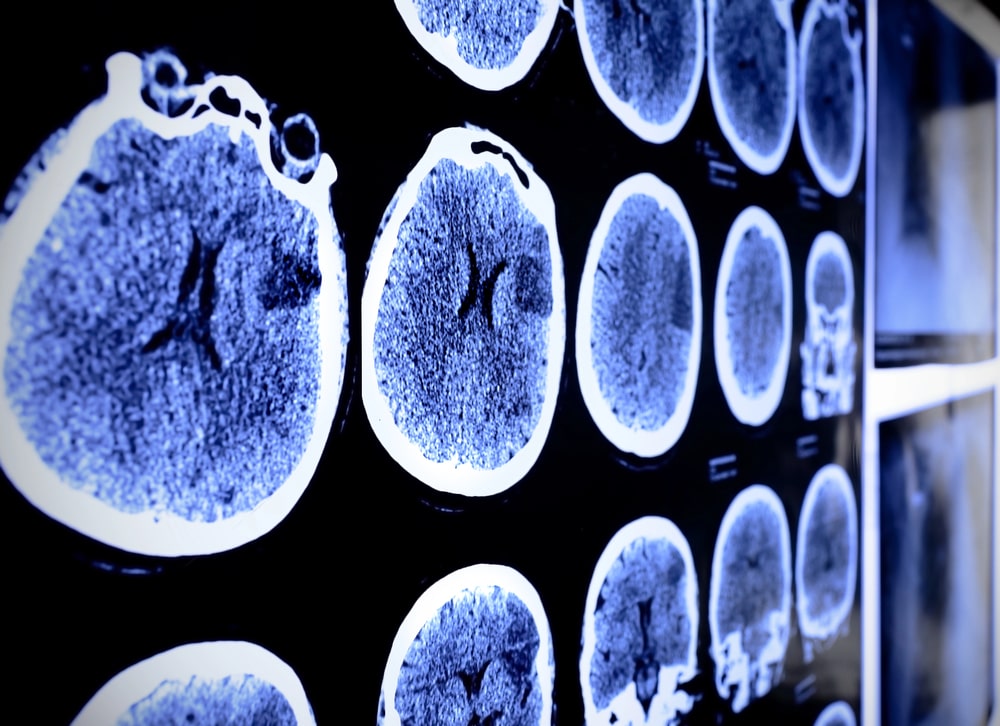
Traumatic Brain Injuries in Personal Injury Cases
A traumatic brain injury (TBI) can change everything in an instant. What begins as a car accident, fall, or other traumatic event can result in lasting cognitive, physical, and emotional impairments that affect every aspect of your life. TBIs are among the most serious injuries accident victims can sustain, and they often require extensive medical treatment, rehabilitation, and ongoing care.
If you or a loved one has suffered a traumatic brain injury in a car accident or other incident caused by someone else’s negligence, understanding your injury and legal options is essential for protecting your future.
What Is a Traumatic Brain Injury?
A traumatic brain injury occurs when sudden trauma disrupts normal brain function. According to the Centers for Disease Control and Prevention (CDC), a TBI is caused by a bump, blow, or jolt to the head, or by a penetrating injury that damages brain tissue.
TBIs range from mild concussions that resolve within weeks to severe injuries that cause permanent disability or death. The CDC reports that there are approximately 190 TBI-related deaths every day in the United States, making brain injuries a leading cause of death and disability.
How TBIs Occur in Accidents
Traumatic brain injuries can result from various types of accidents:
Motor Vehicle Accidents
Car crashes, truck accidents, and motorcycle collisions are among the leading causes of TBI. The violent forces involved can cause the brain to move rapidly within the skull, leading to bruising, bleeding, or tearing of brain tissue. You can sustain a TBI even without hitting your head—the sudden acceleration and deceleration of a collision can injure the brain.
Falls
Slip and fall accidents are a common cause of TBI, particularly among older adults. Falls from heights, on wet surfaces, or due to unsafe property conditions can result in serious head injuries.
Pedestrian and Bicycle Accidents
Pedestrians and cyclists struck by vehicles face high risks of traumatic brain injury due to the lack of protection from impact forces.
Workplace Accidents
Construction workers, warehouse employees, and others face TBI risks from falling objects, falls from ladders or scaffolding, and equipment accidents.
Signs and Symptoms of TBI
TBI symptoms vary depending on the severity of the injury and the area of the brain affected. Symptoms may appear immediately after the accident or develop gradually over hours or days.
Mild TBI (Concussion) Symptoms:
- Headache
- Confusion or feeling “foggy”
- Dizziness or balance problems
- Nausea or vomiting
- Sensitivity to light or noise
- Sleep disturbances
- Difficulty concentrating or remembering
- Mood changes or irritability
Moderate to Severe TBI Symptoms:
- Loss of consciousness
- Persistent or worsening headache
- Repeated vomiting
- Seizures
- Slurred speech
- Weakness or numbness in extremities
- Clear fluid draining from nose or ears
- Extreme confusion or agitation
- Coma
Because some symptoms are delayed, it’s critical to seek medical attention immediately after any accident involving a blow or jolt to the head—even if you initially feel fine.
Long-Term Effects of Traumatic Brain Injuries
While many people with mild TBIs recover fully within weeks, moderate to severe brain injuries can cause permanent impairments:
Cognitive Effects: Memory problems, difficulty concentrating, slowed thinking, trouble with planning and organization, impaired judgment
Physical Effects: Chronic headaches, seizures, vision or hearing problems, difficulty with coordination and balance, fatigue
Emotional and Behavioral Effects: Depression, anxiety, mood swings, personality changes, irritability, social difficulties
Communication Effects: Difficulty finding words, trouble following conversations, problems with reading and writing
These effects can fundamentally alter a person’s ability to work, maintain relationships, live independently, and enjoy life.
Diagnosing and Treating TBI
Diagnosing a TBI often involves neurological examinations, imaging tests (CT scans, MRIs), and cognitive assessments. However, some brain injuries—particularly mild TBIs—may not appear on standard imaging, making diagnosis more challenging.
Treatment depends on the severity of the injury:
Mild TBI: Rest, symptom monitoring, gradual return to normal activities, and follow-up care.
Moderate to Severe TBI: Emergency care to stabilize the patient, surgery if needed (to relieve pressure, repair skull fractures, or stop bleeding), followed by extensive rehabilitation including physical therapy, occupational therapy, speech therapy, and cognitive rehabilitation.
Recovery from a severe TBI can take months or years, and some individuals never fully recover their previous abilities.
Compensation for Traumatic Brain Injuries
Because TBIs often cause lasting impairments, compensation claims can be substantial. Damages in a TBI case may include:
Economic Damages:
- Emergency medical treatment and hospitalization
- Surgery and ongoing medical care
- Rehabilitation and therapy costs
- Medications and medical equipment
- In-home care and assistance
- Lost wages during recovery
- Reduced future earning capacity
Non-Economic Damages:
- Physical pain and suffering
- Emotional distress and mental anguish
- Loss of enjoyment of life
- Cognitive impairment and personality changes
- Impact on family relationships
The lifetime cost of a severe TBI can reach millions of dollars when accounting for ongoing medical care, lost income, and diminished quality of life.
Proving a TBI Claim
TBI cases can be complex because symptoms may not be immediately visible and can be difficult to quantify. Building a strong case requires:
- Comprehensive medical documentation from all treating providers
- Testimony from neurologists, neuropsychologists, and other specialists
- Documentation of how the injury has affected your daily life and abilities
- Testimony from family members and coworkers about observed changes
- Financial analysis of current and future economic losses
Insurance companies often dispute TBI claims, arguing that symptoms are exaggerated or unrelated to the accident. An experienced attorney can gather the evidence needed to counter these tactics.
Talk to a Florida Personal Injury Attorney
If you or a loved one has suffered a traumatic brain injury due to someone else’s negligence, you need legal representation that understands the complexity and severity of these cases. The team at Jacobson Injury Firm has experience handling serious injury claims and fighting for the compensation TBI victims deserve.
We handle car accidents, truck accidents, motorcycle accidents, and other personal injury claims throughout South Florida.
Contact us today for a free consultation. We work on a contingency fee basis—you pay nothing unless we recover compensation for you.
