

Florida law may allow a person bitten by a dog in Delray Beach to seek compensation from the dog owner even if the dog had never bitten anyone before.
The available claim, defenses, insurance coverage, and filing deadline depend on how the incident happened and which legal theory applies.
A Delray Beach dog bite lawyer at Jacobson Injury Firm can investigate ownership and insurance, preserve evidence, document the injury, and deal with the insurer. Contact the firm for a free consultation about a dog bite or other dog-related injury.
Do I Have a Dog Bite Case in Delray Beach?
A person may have a claim when a dog bites them in a public place or while they are lawfully on private property. Florida’s dog-bite statute generally does not require proof that the owner knew the dog was dangerous. Claims may also arise from a dog that knocks someone down, scratches them, injures a domestic animal, or causes another type of harm.
The strongest next step is to identify the dog and owner, document the scene and injuries, obtain medical care, and report the incident. A lawyer can then evaluate whether the claim is based on Florida’s dog-bite statute, another dog-damage statute, negligence, or more than one theory.
Types of Dog Bite Cases We Handle in Delray Beach
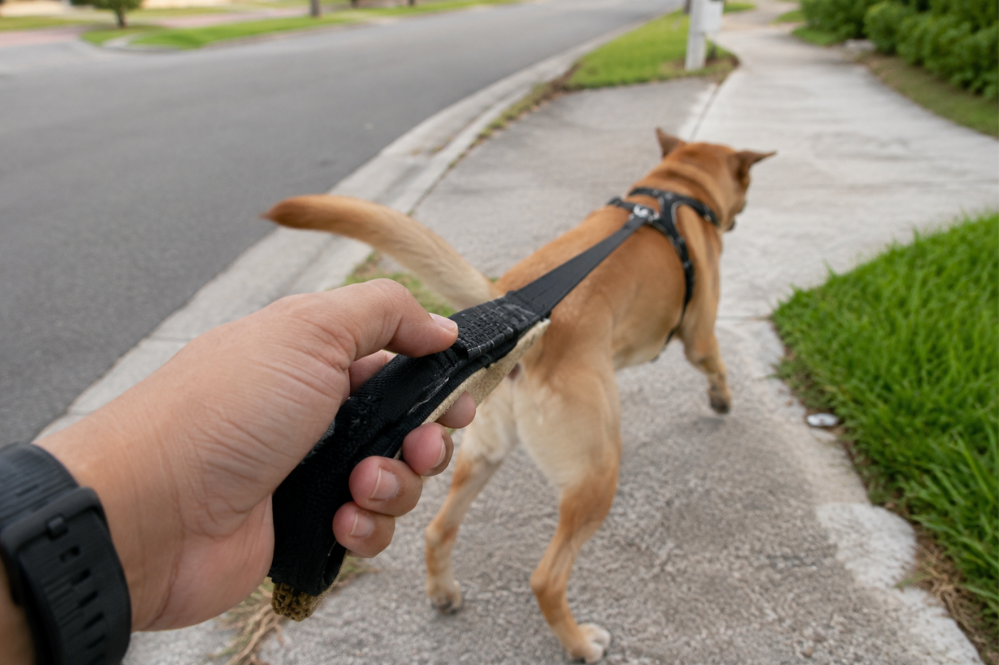
Dog-related injury claims can arise in public places, homes, shared residential areas, and other properties. Examples include:
- Bites in public places. A loose or inadequately controlled dog may bite a pedestrian, runner, cyclist, visitor, or another person in a public area.
- Bites on private property. Guests, delivery workers, mail carriers, contractors, and other lawful visitors may be protected by Florida’s dog-bite statute.
- Attacks involving children. A child’s age, injuries, scarring, and future treatment needs can affect the legal and damages analysis.
- Knockdown and non-bite injuries. A dog may cause fractures, head injuries, or other harm by jumping, chasing, or knocking someone to the ground.
- Dog-on-dog incidents involving a person. A person may be injured while trying to protect or separate an animal during an attack.
- Incidents involving a known danger. Prior complaints, official records, or evidence of dangerous behavior may matter to negligence and other potential claims.
How Does Florida Dog Bite Liability Work?
Under Florida Statute § 767.04, a dog owner is liable for damages when the dog bites someone in a public place or while the person is lawfully on private property, including the owner’s property. The rule applies regardless of the dog’s former viciousness or the owner’s knowledge of it.
This is commonly described as strict liability. The injured person generally does not have to prove a prior bite or warning incident. However, strict liability does not mean that every claim is automatic or that defenses cannot reduce or defeat recovery.
What Defenses Can a Dog Owner Raise?
Florida’s dog-bite statute recognizes two important issues: the injured person’s own negligence and a qualifying warning sign on the owner’s premises. If the injured person’s negligence contributed to the bite, the owner’s liability is reduced by that percentage under § 767.04.
The statute also provides a defense when the owner displayed a prominent, easily readable sign containing the words “Bad Dog.” That defense does not apply to a child under age six, and it does not protect the owner when the owner’s own negligent act or omission proximately caused the injury. The location, visibility, and wording of any sign should be documented.
What If the Dog Did Not Bite?
A bite is not required for every dog-related injury claim. Florida Statute § 767.01 addresses damage caused by a dog to a person, domestic animal, or livestock. A negligence claim may also be relevant when a dog knocks someone down, causes a fall, or injures a person who tries to protect another person or animal.
Non-bite claims require careful analysis because the applicable elements and filing period may differ from a claim brought directly under § 767.04.
Who May Be Responsible for a Dog Attack?
The dog owner is the primary potential defendant under Florida’s dog-bite statute. Depending on the facts, other parties may also be investigated, but liability should not be assumed merely because someone owned or managed the property where the incident occurred.
- Dog owner. The owner may be strictly liable for a qualifying bite and may also face liability for other damage caused by the dog.
- Dog keeper or handler. A person controlling the dog may be responsible when negligent handling or restraint contributed to the attack.
- Landlord or property manager. A separate negligence claim may be possible if that party had a legal duty, knew or should have known of the relevant danger, and had the ability to address it. The lease, prior complaints, and control over the property matter.
- Business or property owner. Liability may depend on control of the premises, knowledge of the dog, and whether a failure to use reasonable care contributed to the injury.
What Should You Do After a Dog Bite?
Safety and medical care come first. The following steps can also preserve information needed for an insurance claim or lawsuit:
- Get to a safe place. Call 911 when the attack is ongoing, injuries are severe, or emergency assistance is needed.
- Seek medical evaluation. Dog bites can damage tissue and may become infected. A medical professional can assess wound care, vaccination issues, and whether additional treatment is appropriate.
- Identify the dog and owner. Record names, contact information, the dog’s description, and the address where the dog is kept, if it can be done safely.
- Photograph the evidence. Take clear images of the wounds, torn clothing, location, gate or fence, leash, warning signs, and visible blood or damage.
- Report the incident. Palm Beach County Animal Care and Control can create a record and address animal-control concerns. Police may also respond depending on the circumstances.
- Avoid unnecessary insurer statements. Provide required information carefully, but do not speculate about fault, minimize the injury, or sign a release without understanding its effect.
What Evidence Can Strengthen a Dog Bite Claim?
Useful evidence in a personal injury claim may include:
- Injury photographs. Images taken soon after the attack and during healing can document wound severity, bruising, stitches, infection, and scarring.
- Medical records and bills. Emergency records, prescriptions, surgical notes, follow-up care, and scar-treatment recommendations connect the injury and expenses to the incident.
- Animal-control and police records. Reports may identify the animal, owner, witnesses, vaccination information, and prior official incidents, if any.
- Video and witness accounts. Doorbell cameras, security systems, phones, and independent witnesses may show how the dog was controlled and what happened before the bite.
- Property and restraint evidence. Photographs of fencing, gates, leashes, tethers, warning signs, and points of escape may clarify how the incident occurred.
- Insurance documents. Homeowners, renters, umbrella, or other liability policies may contain coverage, exclusions, conditions, and limits relevant to the claim.
What Compensation May Be Available?
Compensation depends on the evidence, the severity and duration of the injuries, applicable insurance, available defendants, and any defenses. Recoverable damages may include:
- Medical expenses. Emergency treatment, wound care, medication, surgery, rehabilitation, and reasonably supported future care may be included.
- Lost income. A claim may include wages already lost and reduced earning capacity when the injury has a lasting effect on work.
- Pain and emotional harm. Physical pain, anxiety, trauma symptoms, sleep problems, and loss of enjoyment of life may be evaluated when supported by the facts and evidence.
- Scarring and disfigurement. The location, visibility, permanence, and treatment options for a scar can materially affect the claim.
- Property damage. Torn clothing, damaged personal property, and qualifying injury to a domestic animal may be relevant in appropriate cases.
Read more about damages in Florida personal injury cases.
Who Pays a Dog Bite Claim?
Many claims are presented to liability insurance rather than paid directly by the dog owner. Depending on the facts and policy language, possible sources may include homeowners, renters, landlord, business, or umbrella coverage. Coverage is not automatic: policies may contain exclusions, notice requirements, limits, or disputes over who qualifies as an insured.
A dog bite attorney can identify available policies, give timely notice, and respond to insurance-company arguments without assuming that a particular policy must cover the loss.
How Long Do You Have to File a Florida Dog Bite Claim?
The deadline depends on the legal theory. Under the current version of Florida Statute § 95.11, an action founded on a statutory liability generally has a four-year limitation period, while an action founded on negligence generally has a two-year limitation period. A claim under the dog-bite statute may therefore have a different deadline from a related negligence claim.
Other rules may affect when time begins to run or whether a claim is available. Because evidence can disappear well before a deadline, an injured person should not wait until the limitation period is close to expiring before seeking advice.
What Are Important Florida Legal Resources for Dog Bite Cases?
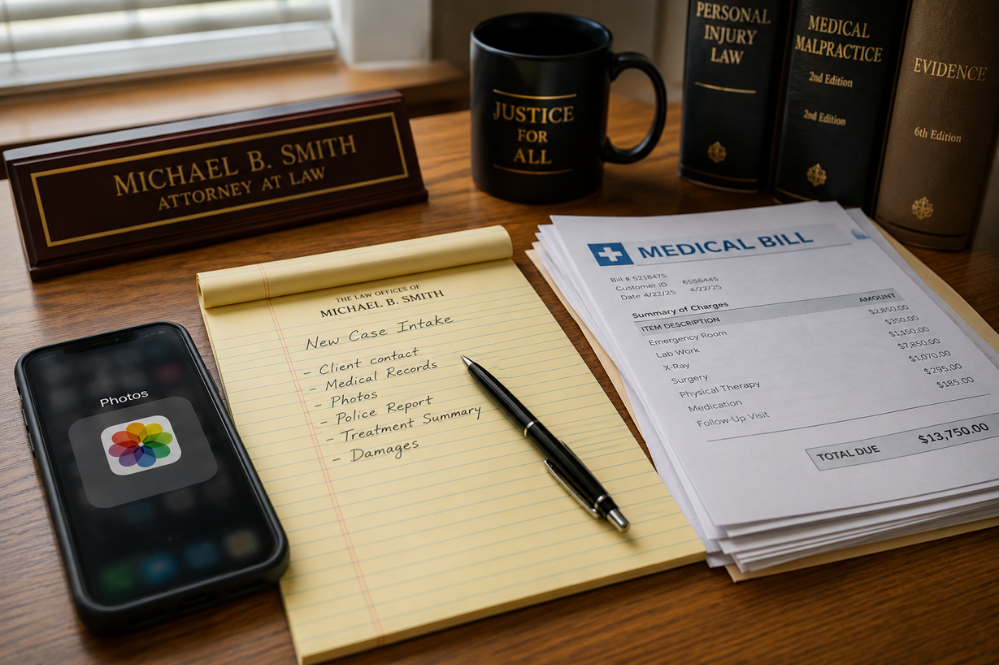
- Florida Statute § 767.04 addresses a dog owner’s liability for damages to a person bitten in a public place or while lawfully on private property.
- Florida Statute § 767.01 addresses damage caused by a dog to a person, domestic animal, or livestock.
- Florida Statute § 95.11 provides limitation periods that may apply depending on whether the action is founded on statutory liability, negligence, wrongful death, or another legal theory.
How Are Dog Bite Claims Involving Children Different?
A child’s age, ability to appreciate risk, injuries, scarring, and future treatment needs can change how a claim is evaluated. Florida’s “Bad Dog” sign defense does not apply when the person bitten is under six. A parent or guardian should preserve photographs over time and keep records of medical, counseling, school, and other effects that may be relevant.
Claims involving minors can also raise procedural and settlement-approval issues. The family should obtain advice about the child’s specific circumstances rather than relying on an adult claim timeline or valuation.
Why Choose Jacobson Injury Firm?
Jacobson Injury Firm represents injured people in Delray Beach and throughout Florida. Adam Jacobson is licensed in Florida, New York, Connecticut, and Illinois and earned his law degree from Florida International University College of Law. He personally handles cases and prepares claims with litigation in mind.
For a dog bite claim, that work can include identifying insurance, obtaining reports and records, documenting scar progression, consulting appropriate professionals, evaluating defenses, negotiating with the insurer, and filing suit when necessary. Past outcomes do not guarantee a future result, and each claim depends on its own evidence and law.
Review the firm’s case results and Delray Beach personal injury services.
Delray Beach Dog Bite Lawyer FAQs
Does Florida follow a one-bite rule?
No. For a qualifying bite, § 767.04 does not require proof that the dog bit someone before or that the owner knew the dog was vicious. The first known bite can still create liability, subject to the statute’s defenses and the facts of the case.
Can you make a claim if the bite happened at the owner’s home?
Yes, if the injured person was lawfully on the property. This can include invited guests and people performing duties imposed by law or postal regulations. Trespass and the “Bad Dog” sign defense can change the analysis.
What if the dog owner says you provoked the dog?
That allegation does not automatically end the claim. The evidence must show what conduct occurred and whether the injured person’s negligence proximately contributed to the bite. Witnesses, video, photographs, age, and the dog’s restraint may all matter.
Can a landlord be liable for a tenant’s dog?
Possibly, but landlord liability is not automatic. A negligence claim can depend on notice of the danger, control over the property, the terms of the lease, the ability to remove or restrict the dog, and the particular location of the attack.
What if the dog was off leash?
Leash or restraint evidence may help explain how the incident happened and whether someone failed to use reasonable care. The dog owner’s statutory liability for a qualifying bite does not depend solely on proving a leash violation.
How much is a dog bite case worth?
There is no reliable average value for an individual claim. Relevant factors include medical costs, lost income, the location and permanence of scarring, future care, emotional effects, comparative negligence, insurance coverage, and the strength of the evidence.
How much does a dog bite lawyer cost?
Jacobson Injury Firm offers a free initial consultation and handles personal injury matters on a contingency-fee basis. The fee terms and responsibility for case costs should be stated in the written agreement before representation begins.
Important Resources for Delray Beach Dog Bite Cases
- Palm Beach County Animal Care and Control provides animal-control services and information about reporting animal-related incidents in Palm Beach County.
- Delray Medical Center provides emergency and hospital care in Delray Beach.
- Delray Beach Police Department provides local law-enforcement information. Call 911 for an emergency.
- Jacobson Injury Firm is not affiliated with these organizations. This list is provided for general informational purposes.
Further Reading
Contact a Delray Beach Dog Bite Lawyer
A dog attack can leave medical bills, lost income, scarring, and difficult questions about insurance and liability. Jacobson Injury Firm can review the facts, explain the applicable Florida law, and identify practical next steps. Contact Jacobson Injury Firm for a free consultation with a Delray Beach dog bite lawyer.
