
Serious Injuries. Personal Attention. Real Results.
New Haven Personal Injury Attorney
Free Consultations
A New Haven personal injury attorney can evaluate whether another person, business or public entity may be responsible for an injury and explain the evidence and deadlines that apply. Jacobson Injury Firm serves Connecticut clients and offers a free consultation with attorney Adam Jacobson to discuss the incident and possible next steps.
Personal injury claims in New Haven can arise from collisions on city streets or near the I-95, I-91 and Route 34 interchange, unsafe conditions on residential or commercial property, workplace incidents involving outside companies and other forms of negligence. The legal issues vary by claim type. A careful review identifies the responsible parties, available insurance, missing records and any deadline that requires prompt action.
Types of Personal Injury Claims in New Haven
A personal injury claim may be available when another party breaches a legal duty and causes measurable harm. The evidence needed to prove the claim depends on how the injury occurred and who controlled the activity, vehicle or property involved.
Jacobson Injury Firm handles a range of personal injury matters in New Haven, including:
- Car Accidents – Learn about injury claims involving negligent drivers, vehicle collisions, insurance coverage, and other issues that may arise after a car accident.
- Truck Accidents – Explore claims involving commercial trucks, truck drivers, trucking companies, and other parties that may share responsibility for a crash.
- Motorcycle Accidents – Learn about claims involving motorcyclists injured in collisions and the evidence that may be important when determining fault.
- Rideshare Accidents – Review injury claims involving Uber and Lyft drivers, passengers, other motorists, and the insurance coverage that may apply.
- Pedestrian Accidents – Learn about claims involving pedestrians injured by vehicles and how liability may depend on the circumstances surrounding the collision.
- Bicycle Accidents – Explore claims involving cyclists injured in collisions with motor vehicles or through another party’s negligence.
- Premises Liability – Learn about injuries caused by potentially unsafe conditions on residential, commercial, or other property.
- Trip and Fall Accidents – Review claims involving hazardous walking surfaces, property conditions, and other circumstances that may cause a person to trip and suffer an injury.
- Dog Bites – Learn about claims involving dog bites, attacks, and other injuries caused by dogs.
- Catastrophic Injuries – Explore claims involving severe injuries that may result in significant long-term medical care, financial losses, or changes to daily life.
- Traumatic Brain Injuries (TBI) – Learn about claims involving traumatic brain injuries and other head trauma caused by accidents or alleged negligence.
- Burn Injuries – Review claims involving serious burn injuries and the circumstances that may establish another party’s legal responsibility.
- Product Liability – Learn about claims involving injuries allegedly caused by defective or unreasonably dangerous products.
- DUI Accidents – Explore injury claims arising from crashes involving drivers who were allegedly impaired by alcohol or drugs.
- Construction Accidents – Learn about construction-related injuries and circumstances in which contractors, property owners, equipment manufacturers, or other third parties may potentially be responsible.
- Medical Malpractice – Review claims involving allegations that a healthcare provider failed to meet the applicable standard of care and caused injury.
- Birth Injuries – Learn about claims involving alleged medical negligence resulting in injuries to a mother or child during pregnancy, labor, delivery, or related medical care.
- Wrongful Death – Explore potential claims available when a death results from another party’s legally actionable conduct.
- Nursing Home Abuse – Learn about potential claims involving abuse, neglect, or other harmful treatment in nursing homes and long-term care facilities.
Car Truck and Rideshare Accidents
A motor vehicle claim may involve a driver, vehicle owner, employer, contractor or another responsible party. Police reports, photographs, witness accounts, vehicle damage and available video can help reconstruct the collision. Commercial vehicle cases may also require driver qualification, work-status, inspection and maintenance records. The presence of a company logo does not by itself prove that the company is legally responsible.
The I-95, I-91 and Route 34 interchange is a major New Haven transportation connection documented by the Connecticut Department of Transportation and the Federal Highway Administration. A collision near the interchange may involve state police, local police or another responding agency depending on the exact location. The road name alone does not establish negligence, so lane position, traffic controls, vehicle movements and the investigating agency remain important.
Pedestrian Bicycle and Motorcycle Injuries
Claims involving people outside an enclosed vehicle often require close attention to visibility, traffic controls, turning movements, door openings and the point of impact. In a city setting, investigators may need to distinguish the responsibilities of motorists, cyclists, pedestrians and property owners without assuming fault from a person’s method of travel. Signal timing, curb conditions and nearby video may also matter.

Premises Liability and Falls
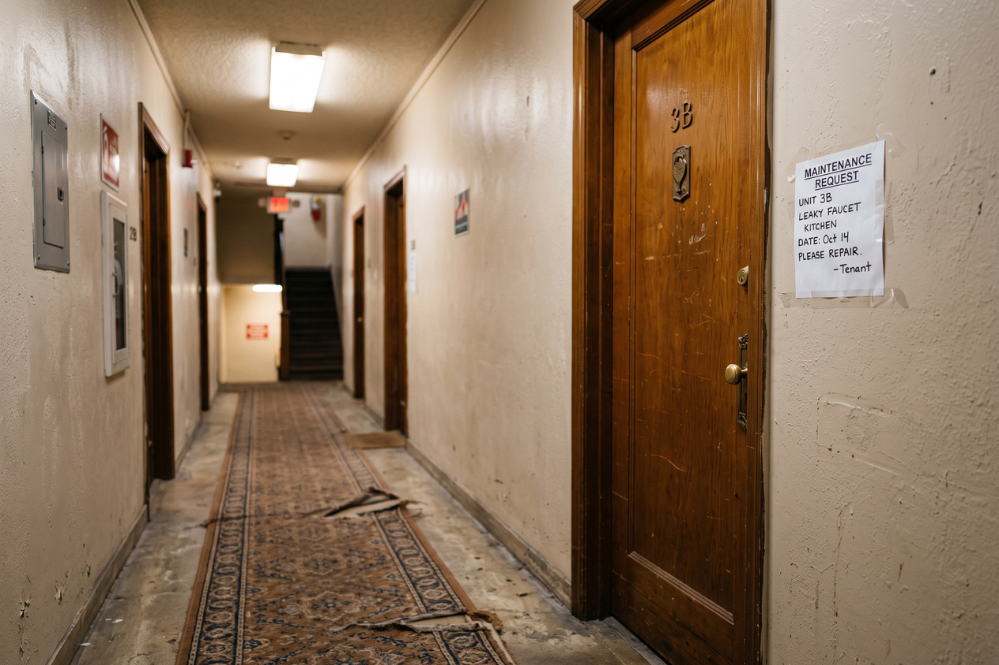
An injury at an apartment building, store, parking area or other private property may require proof about the condition that caused the incident, who controlled the area and whether the responsible party knew or reasonably should have known about the danger. Leases, management agreements, photographs, incident reports, inspection records and maintenance requests may help identify responsibility. The occurrence of an injury on another party’s property is not enough on its own to establish liability.
Work Related Accidents Involving Outside Parties
An employee injured while working may have rights under the workers’ compensation system and, in some circumstances, a separate claim against a negligent third party. A third-party claim may arise when someone other than the employer or a co-worker causes the injury. The interaction between benefits, reimbursement rights and a liability claim requires case-specific review.
Serious and Fatal Injuries
A serious injury claim may include future treatment, work restrictions, reduced earning capacity or the need for help with daily activities. Fatal injuries follow separate rules. Under Connecticut General Statutes § 52-555, a wrongful death action is brought by the executor or administrator of the estate. The statute also has its own filing period and exceptions.
Who May Be Liable for a New Haven Personal Injury
A driver, vehicle owner, employer, property owner, tenant, contractor or public entity may be responsible, depending on who owed and breached the applicable duty. An ordinary negligence claim generally requires proof of a duty of care, a breach of that duty, a causal connection and damages.
Identifying the correct defendant is an early priority. In a traffic case, a driver may have been working for a business or operating a vehicle owned by someone else. In a property case, an owner, tenant and maintenance contractor may have different responsibilities. Contracts, ownership records, insurance information and testimony can clarify who controlled the relevant conduct or condition.
The investigation must also connect the alleged negligence to the injury. Medical records, diagnostic findings, treatment history and the timing of symptoms may become important. A prior condition does not automatically defeat a claim, but it should be disclosed so the evidence can distinguish earlier limitations from changes attributed to the incident.
What Compensation May Be Available in a New Haven Injury Claim
An injured person may seek compensation for financial losses and the personal effects of an injury when those losses are supported by the evidence and recoverable under Connecticut law. There is no fixed formula that determines the value of every case.
- Medical expenses and reasonably supported future care
- Lost income and injury-related loss of earning capacity
- Physical pain and mental or emotional suffering
- Property damage and other documented out-of-pocket losses when legally recoverable
Connecticut General Statutes § 52-572h(a) distinguishes economic damages, including medical care and lost earning capacity, from noneconomic damages. Bills, payroll records and receipts document financial losses. Medical evidence and testimony about daily limitations can explain effects that do not appear on an invoice.
Settlement evaluation should also account for available insurance, disputed responsibility, medical liens or reimbursement claims, attorney fees and case expenses. A gross settlement figure is not necessarily the amount a client ultimately receives. Any offer should be reviewed together with the release the insurer expects the claimant to sign.
What If the Injured Person Was Partly at Fault
Being partly responsible does not always prevent an injured person from recovering damages. Under Connecticut General Statutes § 52-572h(b), the claimant’s negligence must not be greater than the combined negligence of the persons against whom recovery is sought, including qualifying settled or released persons. Any award is reduced according to the claimant’s percentage of negligence.
An insurance adjuster may raise shared fault during negotiations, but the allegation is not a final legal finding. Scene photographs, witness accounts, recordings and physical evidence may support or challenge it. Section 52-572h applies within its statutory scope, so special causes of action should be analyzed separately rather than forced into the ordinary negligence framework.
How Long Is the Filing Deadline in Connecticut
Many negligence actions for personal injury are governed by Connecticut General Statutes § 52-584. The statute generally requires suit within two years from when the injury was first sustained or discovered, or reasonably should have been discovered, and imposes an outer limit of three years from the act or omission, subject to applicable exceptions.
The official Chapter 926 statute page should not be read as permission to wait three years after an ordinary accident. The two-year discovery period and three-year outer limit serve different functions. Product claims, wrongful death cases, medical malpractice matters and other statutory claims may have different rules or additional procedures.
Negotiating with an insurer, reporting the incident or continuing medical treatment does not automatically extend the lawsuit deadline. The claim type, date of injury, date of discovery and any potential exception should be reviewed early.
What Rules Apply to Municipal Roads Sidewalks and Public Property
An injury involving a municipal road, bridge or sidewalk requires separate analysis of the responsible entity, statutory cause of action and notice requirements. An ordinary private-property negligence analysis should not be assumed to apply.
For covered municipal defective-road or bridge claims, Connecticut General Statutes § 13a-149 requires written notice within ninety days and specifies the information and recipient required. A police report, service request or informal complaint should not be assumed to satisfy that notice provision.
Claims involving state property or other public entities can follow different procedures. Photographs of the exact location, measurements where appropriate, incident details and information about prior reports may help an attorney identify the correct public entity and determine which law applies.
Evidence to Preserve After an Accident
Useful evidence establishes what happened, identifies the responsible parties and documents the resulting losses. Conditions can change and records may become harder to obtain, so preservation should begin as soon as reasonably possible.
- The date, time and exact New Haven location of the incident
- Police, crash or property incident numbers and the responding agency
- Photographs of vehicles, property conditions, visible injuries and surrounding signs or signals
- Witness names, contact details and known camera locations
- Medical records, bills, prescriptions and written work restrictions
- Insurance letters, claim numbers, proposed authorizations and settlement releases
- Payroll records, receipts and other documents showing financial loss
A claimant should keep original files when possible rather than only cropped or edited versions. If a business or public agency may possess video, inspection records or maintenance documents, an attorney can assess whether a preservation request is appropriate. A short contemporaneous record of symptoms, appointments and activity limits can also help organize accurate information.
Medical Treatment and Insurance Requests
Anyone facing a medical emergency should call 911. Otherwise, an appropriate medical professional can evaluate symptoms and recommend care. Treatment decisions should be based on medical needs, while accurate records can later help explain the injury and its effects.
Insurance requests deserve careful review. A claimant can record the adjuster’s name, claim number and each document requested. Before giving a recorded statement, signing a broad medical authorization or accepting a settlement, the claimant should understand who is requesting the information and what rights a release would end. Duties under the claimant’s own policy may differ from requests made by another party’s insurer.
Why Injured Clients Choose Jacobson Injury Firm
Adam Jacobson is licensed in Connecticut, Florida, New York and Illinois and earned his law degree from Florida International University. He personally handles clients’ cases from intake through resolution, giving clients direct access to the attorney responsible for their matter.
For an accepted case, the firm can investigate responsibility, organize medical and financial evidence, communicate with insurers and evaluate settlement options under applicable Connecticut law. Direct attorney involvement allows the client to ask about evidence, insurer requests and decisions as the case progresses.
The firm’s published case results show examples of prior recoveries. Past results do not predict a new outcome, and the published examples are not represented as New Haven cases. The firm’s broader service area is described on its Areas We Serve page.
New Haven Personal Injury Questions
Can More Than One Party Be Responsible for the Same Injury
Yes, depending on the facts. A collision may involve a driver, vehicle owner and employer, while a property case may involve an owner, tenant and maintenance contractor. Each party’s conduct, legal duty, insurance and relationship to the incident require separate review.
What If a Crash Involved a Rideshare or Delivery Driver
A claim involving a rideshare or delivery driver may require review of the driver’s personal policy, any platform or commercial coverage, work status and the activity underway at the time of the collision. Coverage should not be assumed from the vehicle decal or app alone. Screenshots, trip details and communications may help preserve the relevant timeline.
Who May Be Responsible for an Injury at a Rental Property
Responsibility may depend on the lease, control of the specific area, notice of the condition and any maintenance agreement. A landlord, tenant, property manager or contractor may have different duties. Photographs, repair requests, inspection records and witness information can help identify who controlled the condition.
Should I Give the Insurance Company a Recorded Statement
The answer depends on which insurer is asking and the claimant’s obligations under the relevant policy. A person should identify the requester and understand the purpose and scope of the statement before proceeding. An attorney can review the request and applicable policy duties.
How Are Attorney Fees and Case Expenses Handled
The firm offers a free initial consultation. If the case is accepted, the written representation agreement should explain the contingency fee, how it is calculated and responsibility for case expenses. Attorney fees and reimbursable expenses are separate items and should both be understood before representation begins.
Important Resources for New Haven Personal Injury Cases
Yale New Haven Hospital lists its main campus at 20 York Street, New Haven, CT 06510, with a general phone number of 203-688-4242. Its website also provides access to medical-record requests. Call 911 for an emergency rather than using the general hospital number.
The City of New Haven provides an official New Haven Police Department report request for requesting eligible police reports or body-camera footage. The correct responding agency and records process depend on where and how the incident occurred, particularly for incidents on interstate highways or state property.
Request a Free New Haven Injury Consultation
Someone searching for a New Haven personal injury attorney can contact Jacobson Injury Firm for a free consultation with Adam Jacobson. Sharing the incident date and location, treatment information, insurance correspondence and available reports allows the initial review to focus on responsibility, evidence, coverage and Connecticut deadlines. No result or amount of compensation can be guaranteed.
