
Serious Injuries. Personal Attention. Real Results.
Delray Beach Premises Liability Lawyer
Free Consultations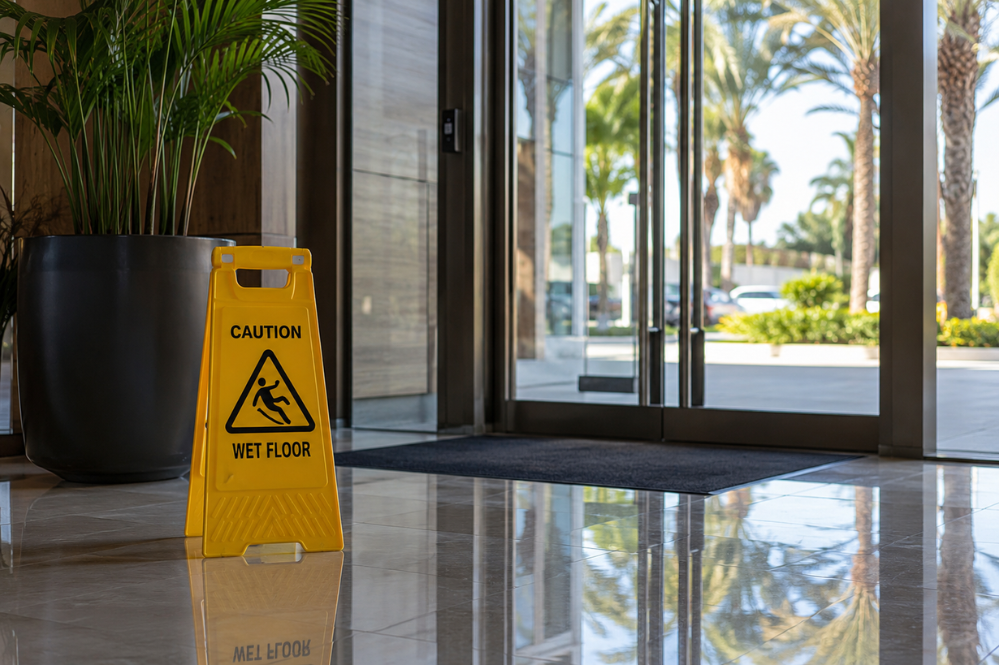
Unsafe property conditions can put visitors at risk. When a preventable hazard causes a serious injury, a property owner, occupier, or another responsible party may be held accountable depending on the circumstances.
Jacobson Injury Firm represents people injured by unsafe property conditions throughout Delray Beach, FL and Palm Beach County.
A dangerous property condition can turn a routine visit into a life-changing event. Florida premises liability law imposes duties on property owners and occupiers that vary with the visitor’s status, the type of property, and the circumstances. When a failure to meet an applicable duty causes an injury, the injured person may have a claim for compensation. A premises liability lawyer at Jacobson Injury Firm in Delray Beach investigates how the injury happened, identifies the responsible party, and builds claims strong enough to take to trial. Contact us for a free consultation to understand your legal options.
Premises Liability Lawyer Delray Beach, FL
Premises liability is the area of law that holds property owners and occupiers responsible for injuries that occur on their property due to unsafe conditions. It is a subset of personal injury law and covers a wide range of incidents, from slip and fall accidents in grocery stores to swimming pool injuries at residential properties. The core principle is straightforward: when a property owner knows or should know about a dangerous condition and fails to fix it or warn visitors, they can be held liable for the resulting harm.
Florida’s premises liability framework is found primarily in Chapter 768 of the Florida Statutes, along with decades of case law that defines how courts evaluate these claims. The duty of care a property owner owes to a visitor depends heavily on why that visitor is on the property.
Types of Premises Liability Cases We Handle in Delray Beach
- Slip and fall accidents. Wet floors, spilled liquids, recently mopped surfaces, and tracked-in rainwater are among the most common causes of falls in Delray Beach grocery stores, restaurants, and retail locations. When there is no adequate warning and the property owner knew or should have known about the hazard, a claim may follow.
- Trip and fall accidents. Cracked or uneven sidewalks, raised pavement edges, loose flooring, damaged carpeting, and broken handrails cause falls throughout Delray Beach commercial corridors, apartment complexes, and parking areas. Evidence that the owner or occupier knew or should have known about the hazard can be important in establishing liability in a trip and fall claim.
- Negligent security. Negligent security claims are highly fact-specific and can depend on issues such as foreseeability, prior incidents, the property’s location, and the security measures that were reasonable under the circumstances. Inadequate lighting, broken locks, or other security failures may support a claim when the evidence establishes the required duty, breach, and causation.
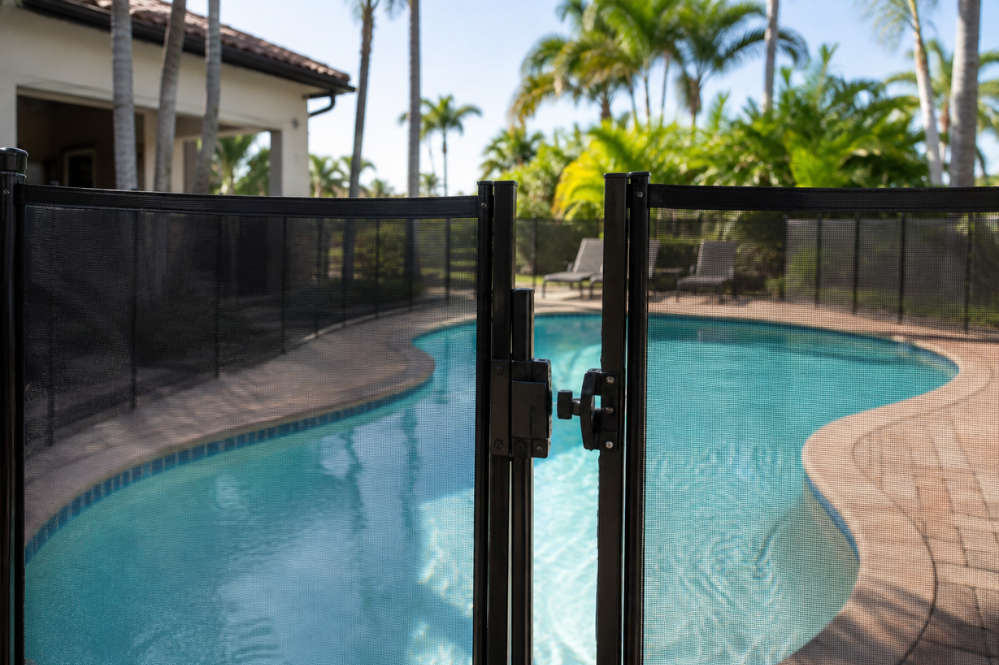
- Swimming pool accidents. Florida law includes safety requirements that may apply to swimming pools depending on the type of property and pool. Accidents at hotel pools, residential pools, and community amenity areas may support premises liability claims when an applicable safety duty was breached and that breach contributed to the injury.
- Dog bites and animal attacks. Florida law can impose liability on a dog owner when the dog bites a person, subject to statutory requirements and defenses. When a landlord or other property owner does not own the dog, any separate premises liability claim depends on the facts, including control of the property and knowledge of the danger.
- Elevator and escalator accidents. Malfunctioning equipment, improper maintenance, and failure to comply with inspection requirements can result in serious injuries to riders in commercial buildings, hotels, and residential complexes throughout Delray Beach.
- Falling objects. Merchandise that falls from improperly stocked shelves, unsecured construction materials, and structural elements that collapse due to inadequate maintenance can cause serious injuries and may support a premises liability claim against the owner or operator.
- Toxic exposure. Exposure to mold, asbestos, carbon monoxide, or hazardous chemicals on another’s property may support a claim when the owner knew of the danger and failed to disclose or remediate it.
Florida Premises Liability Law: Duties Based on Visitor Status
Florida law assigns different duties of care depending on why a person is on the property. Understanding visitor status is often central to a premises liability claim. The governing framework comes from Florida Statute 768.075 and related provisions.
Invitees
Invitees are people who enter a property for a business purpose or because the property is open to the public, customers in a store, diners in a restaurant, guests at a hotel, or visitors to a public space. Property owners and occupiers generally owe invitees a duty to use reasonable care in maintaining the premises and, depending on the circumstances, to address or warn of dangerous conditions they knew or should have known about. Most commercial premises liability claims involve invitees.
Licensees
Licensees are people who enter a property with the owner’s permission but for their own purposes rather than for a business reason, a social guest at a private home is the most common example. Property owners owe licensees a duty to warn of known dangerous conditions that are not obvious, but are not required to actively inspect the property on their behalf.
Trespassers
Trespassers enter property without permission and are generally owed the least protection under Florida law. Under Florida Statute 768.075, property owners are not required to maintain safe conditions for trespassers, but they may not willfully or wantonly injure them. Special rules may apply when a child trespasser is injured by an artificial condition on property. Florida’s attractive nuisance doctrine is fact-specific, and liability depends on whether the legal requirements of the doctrine are satisfied.
Why Choose Jacobson Injury Firm as Your Premises Liability Lawyer in Delray Beach, FL?
Prepared to Take On Insurance Companies
Adam Jacobson approaches every premises liability claim with a litigation-driven mindset and prepares each matter as though it will reach a courtroom. Property owners and their insurers routinely deploy aggressive defenses, arguing that a hazard was open and obvious, that the injured person was not paying attention, or that the owner had no notice of the condition. Preparing a case for litigation can strengthen the firm’s position during settlement negotiations. He earned his law degree from Florida International University College of Law and is admitted in Florida, New York, Connecticut, and Illinois.
Results Across Premises Liability and Serious Injury Cases
Mr. Jacobson has recovered millions of dollars for clients across a range of personal injury matters, including premises liability claims. These cases often involve disputes over notice, surveillance footage, and the adequacy of a property’s maintenance practices, and the firm builds the evidentiary record necessary to overcome those defenses.
Understanding Premises Liability Claims in Florida
The Slip and Fall Notice Standard
For slip and fall cases occurring in businesses, Florida Statute 768.0755 requires an injured person to show that the property owner had actual or constructive knowledge of the dangerous condition. Actual knowledge means the owner knew about the hazard. Constructive knowledge means the condition existed long enough that reasonable inspection would have revealed it, or that the condition occurred with enough regularity that the owner should have anticipated it. This statute applies specifically to transitory foreign substances, like spilled liquids, in business establishments.
The Two-Year Statute of Limitations
Following Florida’s 2023 tort reform, the statute of limitations for most negligence claims, including premises liability, was reduced from four years to two years under Florida Statute 95.11(4)(a). For accidents that occurred on or after March 24, 2023, injured victims have two years from the date of the incident to file a lawsuit. Missing the applicable deadline can bar the claim. Because evidence disappears quickly, video footage gets overwritten, hazards get repaired, witnesses become unavailable, contacting an attorney as soon as possible after the injury protects both the deadline and the proof the case depends on.
Modified Comparative Fault
Under Florida Statute § 768.81, comparative fault can reduce an injured person’s recovery in a negligence action. In negligence actions to which the statute’s greater-than-50-percent rule applies, a person found more than 50 percent at fault for their own harm may not recover damages. If the person’s fault is 50 percent or less, any award is generally reduced in proportion to the assigned fault. Insurance companies frequently argue that the injured person was not watching where they were going, was wearing improper footwear, or was otherwise responsible for the accident. Having an attorney document and present the evidence early can help respond to those arguments.
Damages Available in a Florida Premises Liability Case
Recoverable damages in a premises liability case may include:
- Emergency treatment, hospitalization, surgery, and ongoing rehabilitation costs.
- Lost wages during recovery, and reduced earning capacity when injuries are long-term.
- Pain, suffering, and emotional distress caused by the injury.
- Permanent disability, scarring, or disfigurement.
- Future medical expenses when ongoing care will be required.
- Loss of enjoyment of life when the injury limits daily activities.
Where Do Premises Liability Accidents Happen in Delray Beach?
Delray Beach is a densely populated coastal city with heavy foot traffic throughout its commercial corridors, beaches, hotels, and residential areas. Premises liability accidents occur across a wide range of property types.
- Grocery stores and retail locations. Grocery stores and retail locations throughout Delray Beach may present slip, trip, or fall hazards such as wet floors, cluttered aisles, or poorly maintained entryways.
- Restaurants and bars along Atlantic Avenue. Outdoor seating areas, wet entrances after rain, uneven pavement transitions between properties, and dimly lit interiors create hazards for diners and visitors throughout the city’s main commercial strip.
- Hotels and resort properties. Pool decks, lobby floors, stairwells, and parking structures at Delray Beach hotels and resorts are among the areas where slip and fall or negligent security claims may arise.
- Apartment complexes and condominiums. Common areas, laundry facilities, stairwells, parking garages, and walkways at residential properties are the responsibility of the property management company and may support a premises liability claim when maintenance is neglected.
- Shopping centers and parking lots. Damaged asphalt, uneven pavement, poor drainage, broken wheel stops, and inadequate lighting in commercial parking areas throughout Delray Beach create hazards that property owners are legally required to address.
- Beach access points and public spaces. Public beach access paths, boardwalks, and city-maintained areas can be the site of falls when pavement is damaged or surfaces deteriorate. Claims against government entities involve different procedural rules and typically shorter notice deadlines.
Key Evidence in Premises Liability Cases
- Surveillance and security camera footage. Video from the property or nearby businesses may capture the incident and the condition of the area beforehand. Surveillance footage may be overwritten or lost if it is not preserved promptly, making timely preservation an important early step.
- The incident report. A report filed with the property owner or manager at the time of the incident creates a contemporaneous written record. Requesting a copy before leaving the scene is important.
- Photographs of the hazard and injuries. Images taken at the scene document the dangerous condition before the owner repairs or alters it. Photographs of injuries taken over several days also help establish their severity and progression.
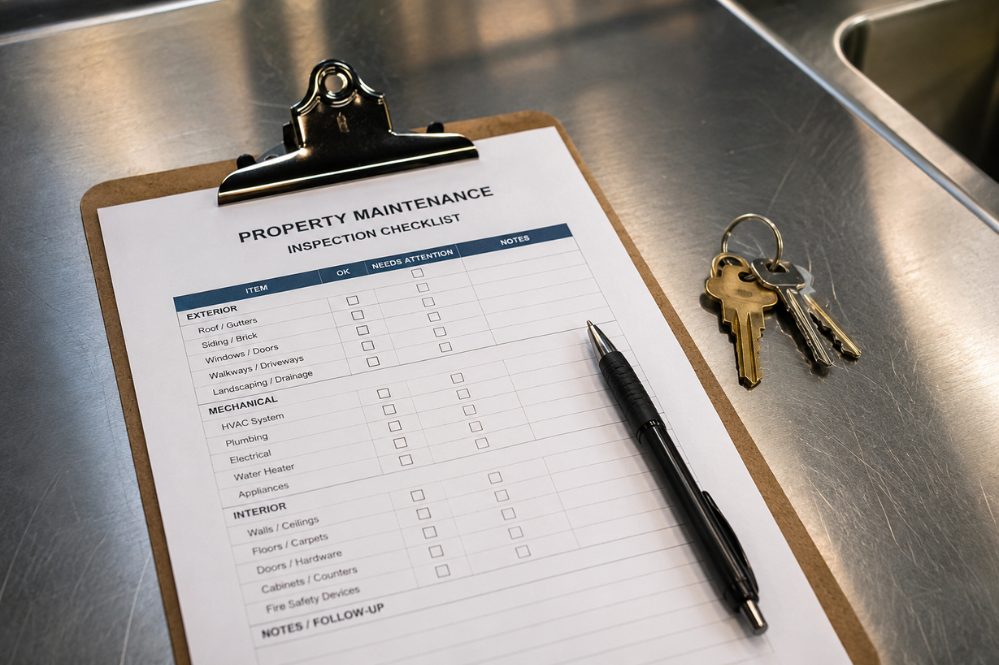
- Maintenance and inspection records. Records showing how often the property was inspected and whether the hazard was previously reported can establish that the owner had notice of the problem and failed to act.
- Prior incident reports. A history of similar accidents at the same location demonstrates that the dangerous condition was known and recurring, strengthening the argument that the owner should have fixed it sooner.
- Witness statements. Accounts from bystanders, employees, or other customers who saw the incident or who were familiar with the condition of the area carry significant weight with insurers and juries.
- Medical records and bills. Emergency room records, imaging studies, surgical notes, and rehabilitation records establish the nature, severity, and cost of the injuries.
- Expert testimony. In complex cases, a premises liability expert, safety engineer, or security consultant may be needed to establish that the property fell below the accepted standard of care.
Delray Beach Premises Liability Lawyer FAQs
What is premises liability?
Premises liability is the legal responsibility property owners and occupiers have for injuries that occur on their property due to unsafe or negligently maintained conditions. It covers a broad range of incidents including slip and falls, trip and falls, swimming pool accidents, negligent security incidents, and falling object injuries. The common thread is that the property owner’s failure to maintain a reasonably safe environment caused the harm.
How long do I have to file a premises liability claim in Florida?
Florida Statute § 95.11(5)(a) generally provides a two-year limitations period for an action founded on negligence. Missing the applicable deadline can bar the claim. Because physical evidence can disappear quickly, contacting an attorney as soon as possible after the incident is the best way to protect the claim.
Does it matter why I was on the property?
Yes. Florida law assigns different duties of care based on visitor status. Invitees, such as customers in a store or guests at a hotel, are owed the highest duty of care. Licensees, such as social guests in a private home, are owed a duty to warn of known dangers. Trespassers are generally owed the least protection, though the law makes exceptions for children under the attractive nuisance doctrine. Most commercial premises liability cases involve invitees.
What if I slipped on a wet floor but there was a warning sign?
The presence of a warning sign does not automatically eliminate a property owner’s liability. If the sign was inadequate, improperly placed, or the condition had persisted long enough that a reasonable response would have been to clean it rather than simply mark it, the owner may still be liable. The adequacy of the warning in the specific circumstances is a factual question that often requires investigation.
Can I recover if I was partly at fault?
Possibly. Under Florida’s comparative fault statute, an injured person’s percentage of fault can reduce the damages awarded. In negligence actions to which the greater-than-50-percent rule applies, a person found more than 50 percent at fault for their own harm may not recover damages. Insurance companies routinely argue that the injured person was not paying attention or was otherwise responsible, which is why having an attorney gather and present evidence early makes a meaningful difference.
What if the accident happened at an apartment complex where I live?
Tenants injured in common areas of an apartment complex, stairwells, parking areas, laundry rooms, walkways, may have a premises liability claim against the property owner or management company. Landlords are responsible for maintaining common areas in a reasonably safe condition, and the failure to repair known hazards in a timely manner can support a claim.
Can I sue a government entity if I was injured on public property?
Yes, but claims against government entities in Florida follow different rules under the Florida Tort Claims Act. These cases require a pre-suit notice to be filed within a specific period before a lawsuit can begin. If the injury occurred on a city sidewalk, in a public park, or on another government-owned property, contacting an attorney immediately is essential to meet those procedural requirements.
How much does a premises liability lawyer cost?
Jacobson Injury Firm handles premises liability cases on a contingency fee basis. There are no upfront costs and no attorney’s fees unless the firm recovers compensation for the client. The percentage is agreed upon in writing before any work begins, and the first consultation is completely free.
Important Resources for Delray Beach Premises Liability Cases
- Delray Medical Center is a local hospital that may provide emergency and critical care following a serious injury. (561) 498-4440.
- Delray Beach Police Department responds to incidents on both public and private property and provides reports used in premises liability claims. (561) 243-7888.
- Florida Department of Business and Professional Regulation oversees licensing and safety compliance for hotels, restaurants, and other commercial establishments in Florida.
- Palm Beach County Code Enforcement handles complaints about unsafe property conditions and building code violations in unincorporated areas of Palm Beach County.
Please note: Jacobson Injury Firm is not affiliated with these organizations and does not endorse any of them. This list is informational only.
About Jacobson Injury Firm
Founded in 2020 by Adam Jacobson, Jacobson Injury Firm has represented injured clients across South Florida in serious personal injury matters including premises liability, slip and fall, and negligent security claims. Mr. Jacobson takes cases on personally and prepares each claim as though a jury will decide it. The firm has recovered millions for clients across a range of injury matters, and every case receives that same level of attention.
What Our Clients Say
“Jacobson Law Offices was professional, responsive, and truly cared about my case. They explained everything clearly and delivered great results. I highly recommend them to anyone needing a dedicated and trustworthy lawyer.”, Isaac Mendes
Read more reviews on the firm’s Google Business Profile.
Further Reading
- How Car Accidents Can Affect Your Health Long After the Crash
- Building a Strong Boynton Beach Injury Claim
- How Strong Is Your Personal Injury Case?
Contact Jacobson Injury Firm
A premises liability injury can happen anywhere, a grocery store, a hotel pool, a neighbor’s driveway, or an apartment stairwell. When a property owner’s failure to maintain a safe environment caused that injury, Florida law gives victims the right to hold them accountable. Jacobson Injury Firm represents injured victims across Delray Beach and surrounding South Florida communities on a contingency-fee basis, so there is no cost unless a recovery is secured. Contact us today for a free consultation with a Delray Beach premises liability lawyer.
