
Serious Injuries. Personal Attention. Real Results.
Hartford Personal Injury Attorney
Free Consultations
A Hartford personal injury attorney can help an injured person evaluate whether another party is legally responsible, document the losses and pursue an appropriate claim. Jacobson Injury Firm serves Connecticut clients and offers a free consultation with attorney Adam Jacobson to discuss injuries, available evidence and next steps.
A collision on I-84 or I-91, a fall inside a commercial property or another injury in Hartford can leave a person managing medical appointments while an insurance claim is still unresolved. The immediate questions are practical: who should receive notice, which records should be saved and whether an offer accounts for the injury’s continuing effects. Those answers depend on the incident and applicable Connecticut law.
Personal Injury Claims in Hartford
An injury claim may be available when a legally responsible party causes harm and the evidence supports the applicable liability standard. Different incidents call for different investigations, even when the injuries appear similar.
Jacobson Injury Firm handles a range of personal injury matters in Hartford, including:
- Car Accidents. Negligent drivers can cause serious crashes that leave victims facing medical expenses, lost income, and insurance disputes.
- Truck Accidents. Commercial truck crashes can involve severe injuries and potential claims against drivers, trucking companies, or other responsible parties.
- Motorcycle Accident Lawyer. Riders have little protection in a collision, and insurers may try to shift blame to the motorcyclist.
- Rideshare Accident Lawyer (Uber & Lyft). Uber and Lyft claims can involve different insurance coverage depending on the driver’s app status when the crash occurred.
- DUI Accidents. People injured by impaired drivers may pursue compensation through a civil injury claim separate from any criminal case.
- Pedestrian Accidents. Pedestrians struck by negligent drivers can suffer severe injuries and may face disputes over fault and insurance coverage.
- Bicycle Accident Lawyer. Injured cyclists may pursue claims when a driver’s negligence, unsafe passing, or failure to yield causes a crash.
- Premises Liability. Property owners may be responsible when unsafe conditions such as poor maintenance or hazardous walkways cause injuries.
- Trip and Fall Accidents. Dangerous conditions such as wet floors, damaged surfaces, poor lighting, snow, or ice can lead to serious falls.
- Dog Bite Lawyer. Connecticut generally imposes strict liability on dog owners or keepers for injuries caused by their dogs, subject to statutory defenses.
- Construction Accidents. Injured workers may have a workers’ compensation claim and, in some cases, a separate claim against a negligent third party.
- Medical Malpractice. Patients harmed when healthcare providers fail to meet the applicable standard of care may have a medical malpractice claim.
- Birth Injuries. Errors during pregnancy, labor, delivery, or newborn care may result in serious injuries requiring further investigation.
- Product Liability. Injuries caused by defective products may lead to claims involving manufacturers and others in the distribution chain.
- Catastrophic Injuries. Life-altering injuries can require extensive treatment, rehabilitation, and long-term care.
- Traumatic Brain Injuries. Brain injuries can cause lasting cognitive, physical, and emotional effects that may require ongoing treatment.
- Burn Injury Lawyer. Serious burns can require extensive medical care and may result in permanent scarring or other lasting harm.
- Wrongful Death Lawyer. When negligence causes a death, Connecticut law allows qualifying claims to seek damages arising from that loss.
- Nursing Home Abuse Lawyer. Claims may arise when a care facility fails to provide required care or safety and a resident is harmed.
Car and Commercial Vehicle Accidents
A vehicle collision may involve a driver, a business or more than one potentially responsible party. Relevant evidence can include crash reports, photographs, witness accounts, vehicle damage and available recordings. In a commercial vehicle case, the investigation may also examine the driver’s work duties, vehicle maintenance and records held by the business. A company name on a vehicle does not, by itself, establish that company’s liability.
Pedestrian Bicycle and Motorcycle Injuries
Claims involving a pedestrian, cyclist or motorcyclist require careful attention to the movements of everyone involved. Visibility, turning movements, traffic controls and the point of impact can matter. The investigation should address the actual evidence rather than assume that one road user was responsible because of the way that person was traveling.
Falls and Other Property Injuries
A property injury may raise questions about who controlled the area, what condition caused the incident and whether the responsible party had an opportunity or obligation to address it. Photographs of a spill, broken step or uneven surface can help identify the condition. Inspection records, maintenance requests and witness accounts may help explain how it arose. An injury on someone else’s property does not automatically establish liability.
Serious Injuries and Fatal Accidents
A claim involving lasting impairment may require records explaining future treatment, work restrictions and the help needed at home. Fatal injuries raise separate legal issues. Under Connecticut General Statutes § 52-555, a wrongful death action is brought by an executor or administrator. It is not simply an ordinary injury claim filed independently by any family member.
Establishing Responsibility for an Injury
For an ordinary negligence claim, the investigation addresses a duty of care, a failure to meet that duty, causation and resulting damages. The applicable duty and evidence depend on the relationship between the parties and the circumstances of the injury.
An attorney first identifies the correct people or entities. A driver’s insurer is not necessarily the party legally responsible for causing a collision. Similarly, a property owner, tenant and maintenance contractor may have different responsibilities for the same location. Contracts and records can help clarify who controlled the condition or activity at issue.
The next question is whether the alleged conduct actually caused the injuries claimed. Treatment records, prior medical history and the timing of symptoms may become relevant. A preexisting condition should be discussed honestly so that the claim can distinguish prior limitations from changes attributed to the incident. Liability and medical causation should be evaluated before placing a value on a potential settlement.

Compensation That May Be Available
An injured person may seek compensation for supported financial losses and the personal effects of the injury, subject to the applicable law and evidence. No standard settlement amount applies to every Hartford accident.
- Medical expenses and future care supported by appropriate records or professional opinions
- Lost earnings and an injury-related reduction in earning capacity
- Physical pain and mental or emotional suffering
These categories reflect the distinction between economic and noneconomic damages in Connecticut General Statutes § 52-572h(a). Receipts and payroll records help document financial losses. Evidence about limitations in daily activities can help explain losses that do not appear on a bill.
The amount demanded, the amount an insurer offers and the amount ultimately recovered can differ. Disputed responsibility, available coverage and the quality of the supporting evidence all affect a claim. Any settlement evaluation should also account for applicable liens or reimbursement claims, legal fees and case expenses rather than treating a gross offer as the amount the client will receive.
Shared Fault Under Connecticut Law
Shared fault does not necessarily prevent recovery. Under Connecticut General Statutes § 52-572h(b), an injured person’s negligence must not be greater than the combined negligence of the persons against whom recovery is sought, including qualifying settled or released persons. Recoverable damages are reduced by the injured person’s percentage of negligence.
This comparison applies to negligence actions within the statute’s scope. An insurer’s allegation that the claimant contributed to an accident is not a final legal determination. Photographs, recordings and witness testimony may support or contradict that allegation. Special statutory claims can involve different rules, so the ordinary negligence standard should not be applied indiscriminately.
Deadlines for Connecticut Injury Claims
Many negligence injury actions are subject to the two-year period in Connecticut General Statutes § 52-584, measured from when the injury is first sustained or discovered, or reasonably should have been discovered. The statute also generally imposes an outer limit of three years from the act or omission, subject to applicable exceptions.
The text of § 52-584 should not be read as permission to wait three years after an ordinary accident. The discovery rule and outer limit serve different functions. The correct deadline requires review of the claim type, relevant dates and any potentially applicable exception.
Wrongful death actions have a separate timetable. Section 52-555(a) generally requires suit within two years of death and no more than five years after the act or omission, subject to statutory exceptions. Product-related claims and other statutory causes of action also require their own deadline analysis.
Reporting an incident or discussing an insurance settlement does not replace the steps required to bring a timely lawsuit. A Hartford personal injury attorney should review deadlines early, including when responsibility remains disputed or medical treatment is ongoing.
Public Roads Sidewalks and Government Defendants
An injury involving a public road or sidewalk requires separate review of the responsible entity, immunity issues and the applicable statutory procedure. The same notice rules do not govern every injury on government property.
For example, Connecticut General Statutes § 13a-149 contains a ninety-day written notice requirement for covered municipal defective-road or bridge claims. The required recipient and notice contents matter. A report to police or a maintenance complaint should not be assumed to satisfy that requirement.
An attorney should determine whether a municipal highway-defect claim, a state claim or a different legal theory applies. Photographs identifying the exact location and condition, incident details and information about prior complaints may assist that assessment. Prompt review is especially valuable because a notice deadline can arrive before the ordinary lawsuit deadline.
Evidence to Preserve After a Hartford Accident
Useful evidence connects the incident to the claimed injuries and identifies who may be responsible. Records should be preserved as soon as practical because conditions can change and recordings may become unavailable.
- Incident details, including the date, exact location and any police or property incident number
- Photographs of the scene, visible injuries, vehicles and the condition involved
- Witness names and contact information, plus any known camera locations
- Medical records, bills, prescriptions and instructions about activity or work restrictions
- Payroll information, missed-work records and receipts for injury-related expenses
- Insurance correspondence, claim numbers and any proposed release or settlement agreement
The reporting agency matters. The Hartford Police Records Division provides records for incidents within the City of Hartford. If another agency investigated the accident, the report should be requested from that agency. Keeping the officer’s case number can help locate the correct record.
A claimant should also keep original photographs and messages rather than only edited copies. If a business may hold video or maintenance records, an attorney can assess a preservation request. A written description of changing symptoms and daily limitations can help the claimant remember details without exaggerating them.
Medical Care and Insurance Communications
Medical needs come first. Anyone facing an emergency should call 911. Otherwise, a qualified medical professional can assess symptoms and recommend appropriate care. Treatment decisions should follow medical advice, not a settlement schedule.
Insurance communications should be accurate and organized. An injured person can keep a record of the adjuster’s name, claim number and requests for documents. Before signing a broad medical authorization, giving a recorded statement or accepting a settlement release, the claimant should understand the request and its consequences. Duties under the claimant’s own insurance policy may differ from requests made by another party’s insurer.
An early offer should be evaluated against the documented injury and the scope of the release. Continuing treatment or uncertain future limitations may affect that assessment. An attorney can explain the available options without promising that rejecting an offer will produce a larger recovery.
Working With Jacobson Injury Firm
Adam Jacobson is licensed to practice in Connecticut, Florida, New York and Illinois and earned his law degree from Florida International University. He personally handles clients’ cases from intake through resolution, providing direct access to the attorney responsible for the matter.
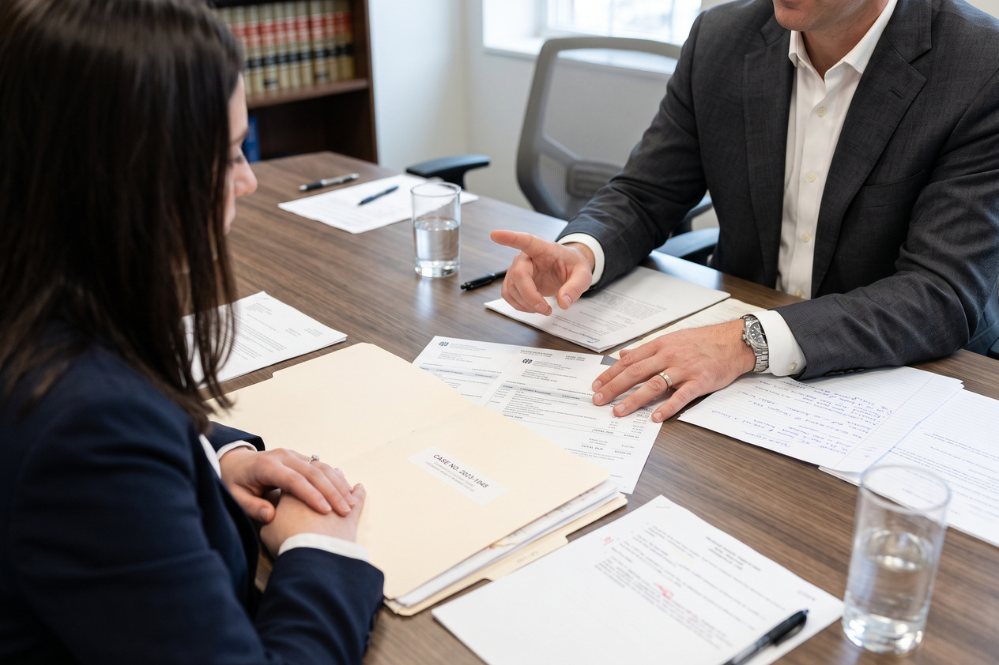
During an initial review, the firm can discuss how the injury occurred, available records, potential defendants and time-sensitive issues. For accepted cases, the work includes investigating responsibility, organizing evidence and evaluating a claim under applicable law. Direct attorney communication gives the client an opportunity to ask about missing information, insurance requests and settlement decisions as the matter develops.
The firm’s published case results provide examples of prior recoveries. Those examples are not presented as Hartford results and do not predict the outcome of a new claim. Information about the firm’s broader service area appears on its Areas We Serve page.
Hartford Personal Injury Questions
Do I Need a Police Report to Have a Claim
A police report can help document a collision, but it is not the only evidence relevant to a claim. Photographs, witnesses and medical records may also matter. Reporting obligations and the appropriate agency depend on the incident, so the absence of a report should be discussed during the case review.
Can I Bring a Claim After Falling on an Icy Sidewalk
A fall on ice does not automatically establish a claim. The investigation should identify the exact condition and who was responsible for the location. Public sidewalk claims require separate statutory analysis; the ordinary rules for a fall inside a private business should not be assumed to apply.
What If My Symptoms Appear Later
New or changing symptoms should be discussed with a medical professional and documented accurately. The legal deadline still requires review. Connecticut’s discovery language does not guarantee that every later symptom extends the time to sue or removes an applicable outer limit.
Should I Accept the Insurance Settlement Offer
Before accepting an offer, the claimant should understand which claims the release covers, whether future losses have been considered and what deductions may apply. A free consultation can help identify questions to resolve before signing. No particular settlement amount can be promised.
How Are Attorney Fees and Case Expenses Handled
The firm offers a free initial consultation. If a case is accepted, the written representation agreement should explain any contingency fee, how it is calculated and responsibility for case expenses. A contingent attorney fee and reimbursable expenses are different items and should both be discussed before representation begins.
Important Resources for Hartford Personal Injury Cases
Hartford Hospital lists its main location at 80 Seymour Street, Hartford, CT 06102. Its main telephone number is (860) 545-5000. The hospital’s website provides contact information for medical departments. Call 911 for an emergency rather than using the general information line.
Hartford Police Records Division provides information about obtaining available accident and incident reports for the City of Hartford. It is located at 253 High Street, Hartford, CT 06103, and lists (860) 757-4150 as its telephone number. Availability and request procedures should be checked with the division.
Request a Free Hartford Injury Consultation
Someone looking for a Hartford personal injury attorney can contact Jacobson Injury Firm for a free consultation with Adam Jacobson. Providing the incident date, location, treatment information and any available reports allows the initial review to focus on potential responsibility, evidence and Connecticut deadlines. The consultation is an opportunity to discuss the next steps without a guarantee of recovery.
