
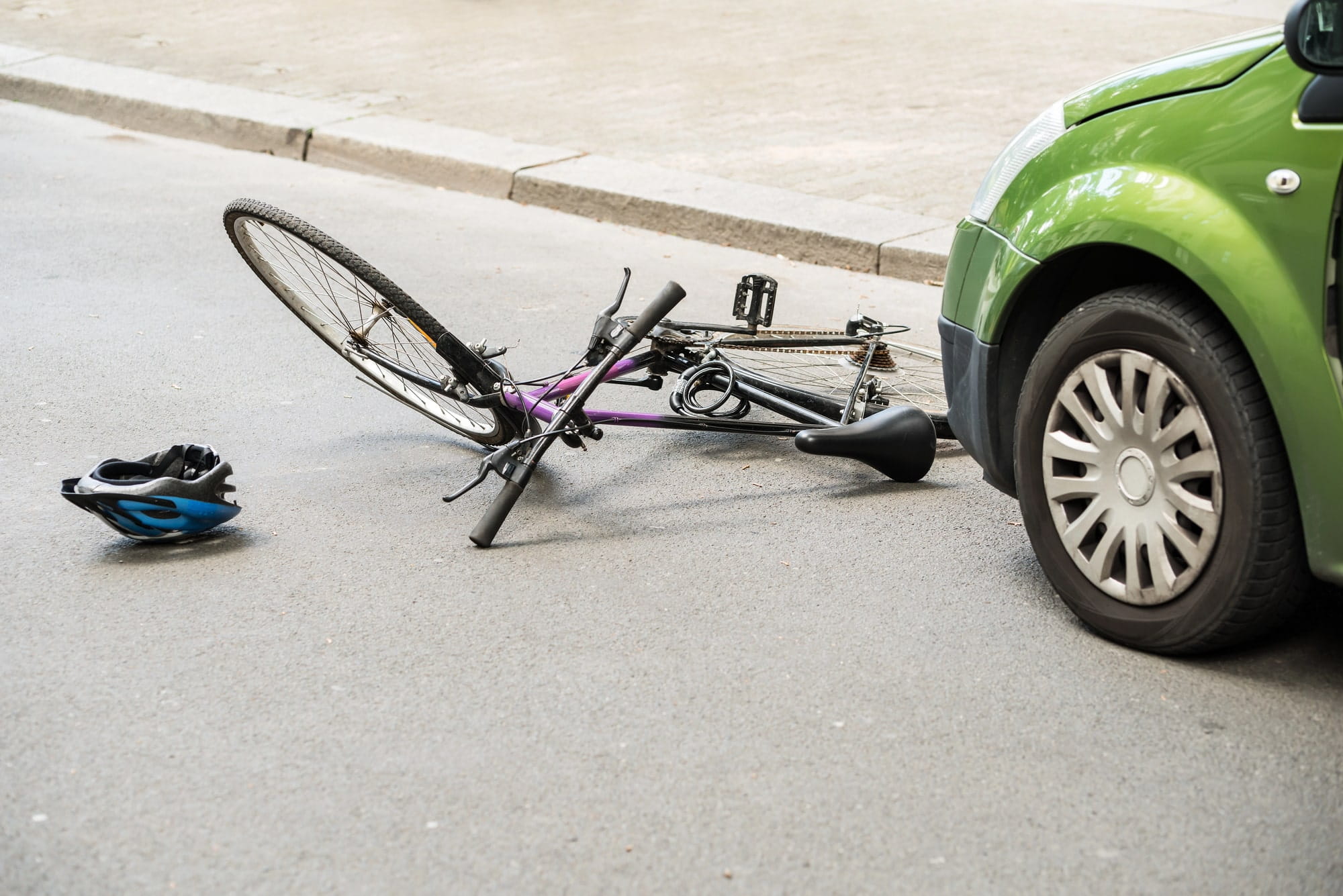
Cyclists Have the Same Rights as Drivers
Under Florida law, a person riding a bicycle has all the rights and duties that apply to the driver of any other vehicle, with a few bicycle-specific rules layered on top. This means a cyclist is generally entitled to a full lane when conditions require it, not just a narrow strip along the curb. Drivers sometimes assume cyclists must hug the shoulder no matter what, and that misunderstanding is often at the root of close calls and collisions on busy corridors.
This gap between what the law actually says and what many drivers assume becomes important the moment a crash happens. Insurance adjusters, and sometimes even responding officers, default to blaming the cyclist for riding in the roadway without checking whether one of the statutory exceptions applied.
When Riding Further From the Curb Is Legal
Florida Statute 316.2065 lays out several situations where a cyclist may legally move away from the right-hand edge of the roadway, including when passing another vehicle, preparing for a left turn, avoiding a hazard, or riding on a one-way street with multiple lanes. A Boynton Beach bicycle accident lawyer often sees crash reports where an officer misapplies this rule, assuming the cyclist was riding illegally simply because they were not pressed against the curb.
Riders who are struck under one of these lawful circumstances retain their claim, even if a driver insists the cyclist was somewhere they should not have been.
Common Ways These Crashes Happen
A handful of scenarios account for most bicycle collisions on Florida roads:
- A driver making a right turn fails to check for a cyclist in a bike lane
- A car door opens directly into a rider’s path
- A driver passes too closely and clips a handlebar or shoulder
- A vehicle pulls out from a side street without seeing an oncoming cyclist
Each of these involves a driver’s failure to yield or maintain proper lookout, which forms the basis of most negligence claims following a bicycle crash.
How Fault Gets Determined
Florida moved to a modified comparative negligence system in 2023, and it shapes how these cases resolve today. Under the amended statute, a party found more than fifty percent at fault for their own injuries cannot recover damages, while a party found fifty percent or less at fault has their award reduced by their share of fault. This matters in bicycle cases because insurers frequently argue that a rider without reflective gear or proper lighting contributed to the crash, even when the driver’s failure to look was the primary cause.
For a closer look at how this framework was written, Florida Statute 768.81 is available through the Florida Senate.
Documentation Makes a Real Difference
Bicycle crashes often leave less physical evidence than a car-on-car collision, which makes early documentation especially valuable. Photos of the bike, the road markings, any skid marks, and the surrounding intersection can clarify exactly where the rider was positioned and why. Witness names and phone numbers gathered at the scene tend to be far more useful than statements collected weeks later, once memories have faded or witnesses have moved on.
Medical records matter just as much as scene evidence. Injuries from bicycle crashes, particularly to the shoulder, wrist, and head, are sometimes downplayed in the initial emergency room visit only to worsen over the following days. A prompt follow-up appointment creates a documented link between the crash and the full extent of the injury, which becomes important if an insurer later argues that a later symptom was unrelated. Riders who work with a Boynton Beach bicycle accident lawyer early in the process often avoid gaps in their medical documentation that can otherwise weaken an otherwise strong claim.
Getting the Right Support After a Crash
Every bicycle case turns on the specific facts of the intersection, the lighting, and what each party could reasonably see. Jacobson Injury Firm has represented injured cyclists throughout South Florida and understands how these right-of-way disputes typically play out with insurance adjusters. If you were hit while riding, gathering your documentation early and speaking with an attorney who handles these cases regularly gives you the clearest picture of where your claim actually stands.
