
Three Categories, Three Different Duties
Florida premises law sorts visitors into three groups: invitees, licensees, and trespassers, and the property owner’s obligation shifts depending on which group applies. Invitees, which include customers, clients, and anyone else invited onto the property for a business purpose, are owed the highest duty of care. Licensees, typically social guests, are owed a somewhat lower duty, and trespassers are owed very little beyond a general duty not to cause intentional harm.
Determining which category applies is not always obvious. A customer who wanders into an employee-only area, for instance, can lose invitee status for that portion of the property, even though they were clearly an invitee moments earlier in the main shopping area. This kind of nuance is exactly why insurance companies often push back hard on premises claims, arguing the injured person was somewhere they should not have been.
What Owners Must Do for Invitees
A property owner must keep the premises in a reasonably safe condition for invitees and warn them of dangers the owner knew about or should have discovered through reasonable inspection. This standard applies to retail stores, restaurants, apartment complexes, and any other property that regularly welcomes the public or paying customers. A Boynton Beach premises liability lawyer evaluating a store injury will typically look first at whether the hazard existed long enough that regular inspections should have caught it.
Slip and Fall Cases Have Their Own Rule
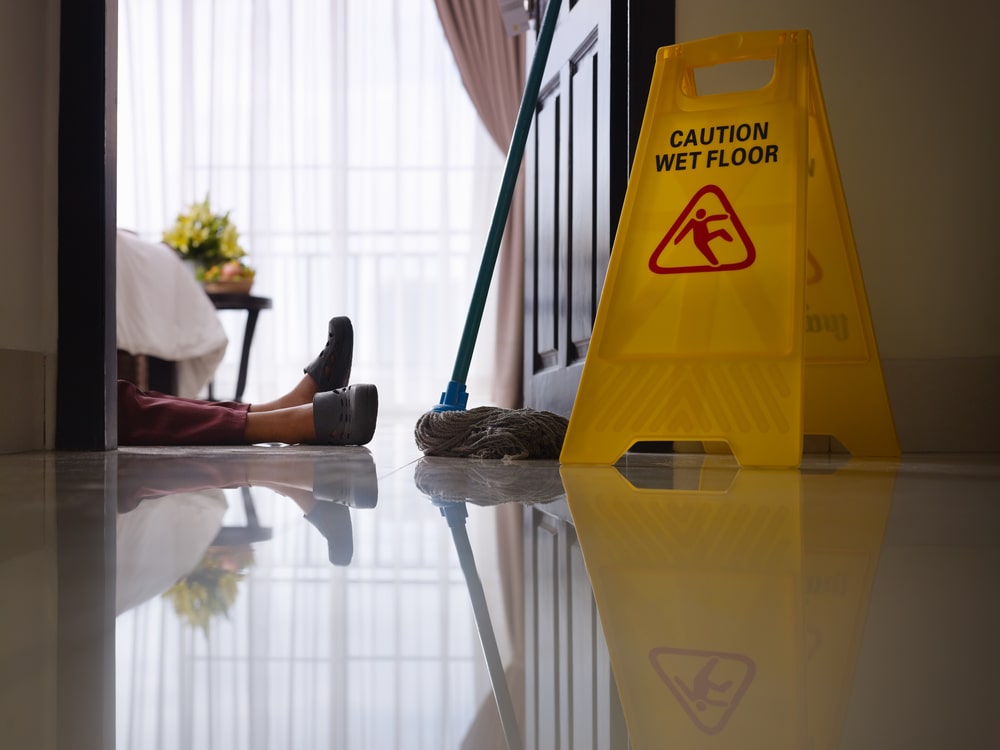
Florida has a specific statute governing slip and fall claims involving transitory substances like spilled liquids or tracked-in debris. Under this law, an injured person must show the business had actual or constructive knowledge of the dangerous condition. Constructive knowledge can be established by showing the hazard existed long enough that ordinary care should have caught it, or that the same type of hazard occurred with enough regularity to be foreseeable. The full statute is available through Florida’s official legislative statutes site for anyone who wants to read the exact language.
Common Evidence in These Claims
Because the knowledge requirement is central to most premises cases, certain types of evidence carry particular weight:
- Store surveillance footage showing how long a hazard was present
- Maintenance and inspection logs from the days before the incident
- Incident reports completed by staff at the time
- Photos of the condition taken immediately after the fall
Gathering this evidence quickly matters, since surveillance footage in particular is often overwritten within days or weeks if it is not specifically preserved.
Licensees and Trespassers Face a Higher Bar
A social guest injured on someone’s property generally needs to show the owner knew about a hidden danger and failed to warn of it, rather than simply that a hazard existed. Trespassers face the steepest climb of all, since owners generally owe them only a duty to avoid intentional or reckless harm, with narrow exceptions such as known trespassers or child visitors drawn to an attractive but dangerous feature on the property.
Anyone unsure which category applies to their own situation should not assume the answer is obvious. A house guest injured at a backyard gathering and a delivery driver injured on the same property are treated differently under the law, even though both were on the premises with permission. A Boynton Beach premises liability lawyer can walk through the specific facts of a visit to determine which duty of care actually applied before an insurer has the chance to frame the story on its own terms.
When to Get a Professional Opinion
Sorting out which category applies, and whether the property owner met the applicable duty, often requires looking closely at inspection records and the specific circumstances of the visit. Jacobson Injury Firm handles premises liability claims throughout South Florida and can help determine early on whether a property owner’s conduct fell short of what the law required. If you were hurt on someone else’s property, understanding which duty applied to your situation is the first step toward knowing whether you have a claim worth pursuing.
