
Serious Injuries. Personal Attention. Real Results.
Premises Liability Lawyer Chicago, IL
Free Consultations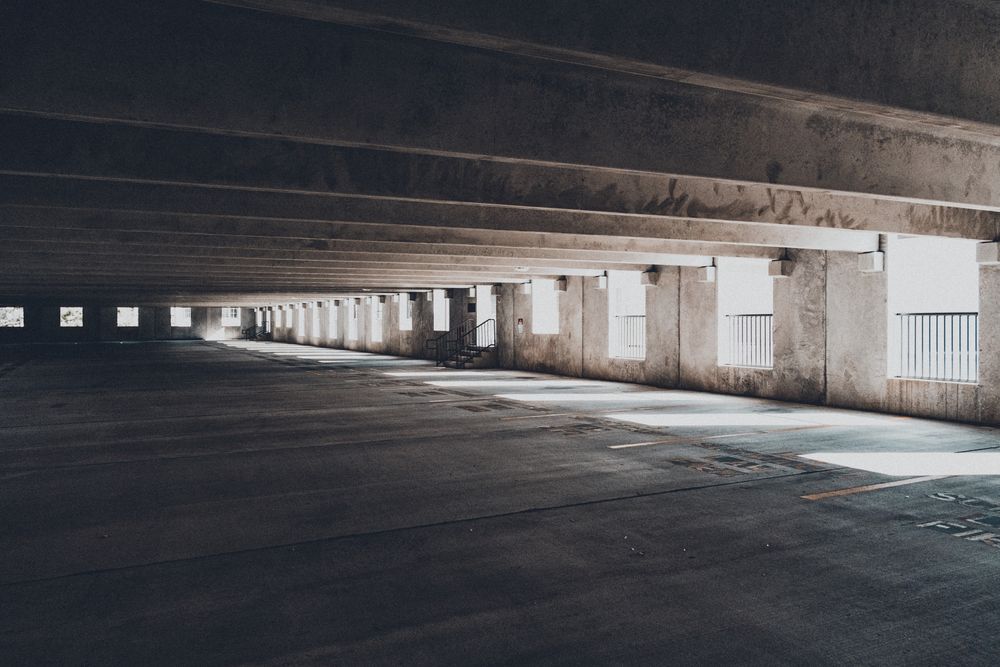
A rotted back porch, a broken elevator, a dark parking garage, or a chunk of facade falling from a high-rise can cause an injury that has nothing to do with the injured person’s own care. A premises liability lawyer in Chicago, IL can find out who owned or controlled the property, what went wrong, and whether the danger should have been fixed. Jacobson Injury Firm represents people hurt on unsafe property throughout Chicago. Contact the firm for a free consultation.
How Premises Liability Claims Work in Illinois
Premises liability is the area of law that holds property owners and occupiers responsible for injuries caused by unsafe conditions on their property. An “occupier” is someone who controls a property without owning it, such as a business tenant or a management company.
The core rule comes from the Illinois Premises Liability Act, 740 ILCS 130/2. It abolished the old common-law distinction between “invitees,” such as customers, and “licensees,” such as social guests. Owners and occupiers owe both groups “reasonable care under the circumstances regarding the state of the premises or acts done or omitted on them.”
In plain terms, a property owner must act as a reasonable person would to keep the property safe. A typical claim looks at:
- What the dangerous condition was and how long it existed
- Who owned, managed, or maintained that part of the property
- What a reasonable owner would have done to fix it or warn about it
- How the condition caused the injury
Claims against a local public body, such as the City of Chicago, follow the Local Governmental and Governmental Employees Tort Immunity Act. That law sets a shorter deadline, covered below.
Where Premises Injuries Happen in Chicago
Chicago’s porches, high-rises, and winter weather create risks that city rules try to address.
- Porches and balconies.On June 29, 2003, a porch at 713 W. Wrightwood Ave. in Lincoln Park collapsed during a party, killing 13 people and injuring 57, as CBS News Chicago reported. The city then imposed tougher building codes and began many more porch inspections. Under city rules, all parts of porches and decks must support 100 pounds per square foot, and structural repairs need a permit and plans from an Illinois-licensed architect or structural engineer, according to the Department of Buildings’ porch and deck safety page.
- Under the city’s Annual Inspection Certification program, building owners or managers hire state-licensed, third-party companies to inspect elevators and other conveying devices every year and report the results to the Department of Buildings.
- Falling objects.The city’s Exterior Wall Program requires high-rise owners to file exterior wall inspection reports stamped by an architect or structural engineer.
- Snowy sidewalks.Under the Municipal Code of Chicago (4-4-310 and 10-8-180), property owners must clear snow and ice from their sidewalks, as the city explains on its sidewalk snow removal page.
Common Types of Premises Liability Claims in Chicago
Jacobson Injury Firm handles a wide range of premises liability claims, including:
- Slip, trip, and fall accidentson wet floors, broken stairs, and uneven walkways
- Porch, deck, and balcony collapses or failed railings
- Elevator and escalator malfunctions
- Falling objects, such as loose facade pieces, signs, or stored merchandise
- Negligent security, such as assaults in poorly lit garages, lobbies, or parking lots
- Ice injuries caused by an unnatural accumulation or a condition the owner made worse
What Compensation Can a Premises Liability Victim Recover?
An injured person may seek compensation from the responsible owner or occupier for:
- Medical expenses, including future treatment
- Lost wages and reduced earning capacity
- Rehabilitation and physical therapy
- Pain and suffering
- Mental anguish and loss of enjoyment of life
The value of a claim depends on the severity of the injuries, the available insurance coverage, and the evidence of what the owner knew.
Snow, Ice, and Crime: Special Rules in Illinois
Illinois follows the “natural accumulation rule.” In Krywin v. Chicago Transit Authority (2010), a case involving an icy CTA platform, the Illinois Supreme Court restated that a landowner has no duty to remove natural accumulations of ice, snow, or water from its property. Illinois courts have held that an owner may still be liable for an unnatural or artificial accumulation, or for a natural condition the owner made worse. The Snow and Ice Removal Act also protects residential owners who shovel abutting sidewalks unless their conduct was “willful or wanton,” meaning reckless.
Crime on property is treated differently. In Marshall v. Burger King Corp. (2006), the Illinois Supreme Court recognized that a business open to the public has a special relationship with its customers that can create a duty to protect them from the acts of third parties. Courts decide whether that duty applies by weighing how foreseeable the harm was, how likely the injury was, the burden of guarding against it, and the consequences of placing that burden on the owner.
What If the Injured Person Was Partly at Fault?
Illinois follows a modified comparative fault rule. Under 735 ILCS 5/2-1116, a person found more than 50% at fault for their own injury cannot recover damages.
A person who is 50% at fault or less can still recover, but the award is reduced by their share of fault. For example, a visitor found 20% responsible with $100,000 in damages could recover $80,000. Property owners and insurers often argue that a hazard was easy to see for this reason. A premises liability lawyer in Chicago, IL can gather evidence to answer that argument.
What Should You Do After a Premises Injury in Chicago?
The steps taken soon after an injury can protect both health and a later claim. If possible, an injured person should:
- Get medical care.John H. Stroger, Jr. Hospital of Cook County is home to one of the busiest Level 1 trauma centers in the nation.
- Report the incident.Notify the owner, manager, or store and ask for a written incident report.
- Document the scene.Photograph the hazard, the lighting, any warning signs, and visible injuries, and get witness contact information.
- Keep the evidence.Save the shoes and clothing worn, and do not repair or discard anything involved.
- Report unsafe structures.Chicago residents can call 311 about a dangerous porch or an uncleared sidewalk.
- Avoid recorded statements.The owner’s insurer may ask for one early. Speaking with an attorney first can help protect the claim.
The firm’s article on how strong a personal injury case is explains what evidence matters most.
How Long Do You Have to File a Premises Liability Claim in Illinois?
Under 735 ILCS 5/13-202, most personal injury claims must be filed within two years after the cause of action accrued, which is usually the date of the injury.
Claims against a local public entity, such as the City of Chicago, are much shorter. Under 745 ILCS 10/8-101, most such suits must be filed within one year from the date of the injury. Evidence such as surveillance footage can be lost over time, so early action helps.
No Fee Unless We Win
Jacobson Injury Firm handles premises liability cases on a contingency fee basis. There is no upfront cost, and no attorney fee is owed unless the firm recovers compensation.
Clients work directly with attorney Adam Jacobson, who is licensed in Illinois, Florida, New York, and Connecticut. He prepares each case as if it may go to trial. The firm’s case results include a $200,000 recovery in a trip-and-fall case. Past results do not guarantee a similar outcome.
Frequently Asked Questions
Can I sue after slipping on ice in Chicago?
It depends on how the ice formed. Illinois owners generally have no duty to remove natural accumulations of snow and ice, but a claim may exist if the ice was an unnatural accumulation or the owner made a natural condition worse. Residential owners who shovel abutting sidewalks are protected unless their conduct was willful or wanton.
Who is responsible for an injury in an apartment building?
Responsibility depends on who controlled the area where the injury happened. A landlord, condominium association, or management company may be responsible for common areas such as porches, stairways, elevators, and lobbies.
Can a property owner be liable if I was attacked on the property?
Sometimes. Illinois recognizes that a business open to the public has a special relationship with its customers that can create a duty to protect them from third parties. Each case depends on the facts, including what the owner knew about prior incidents.
What if I was hurt on city property?
Claims against a local public entity, such as the City of Chicago, generally must be filed within one year under the Tort Immunity Act. An injured person should speak with a lawyer quickly.
How much does a premises liability lawyer cost?
Jacobson Injury Firm works on a contingency fee basis. Clients pay nothing upfront, and there is no attorney fee unless money is recovered.
Contact a Premises Liability Lawyer in Chicago, IL
Jacobson Injury Firm’s Chicago office is listed on its Google Business Profile: Jacobson Law Offices, 1 E Erie St Ste 525, Chicago, IL 60611. A property owner who ignored a dangerous condition should be held responsible for the harm it caused. A premises liability lawyer in Chicago, IL can investigate the property, identify every responsible party, and pursue full compensation under Illinois law. Contact Jacobson Injury Firm today to schedule a free consultation.
